
- Position:
- Batte Melt pump > NEWS >
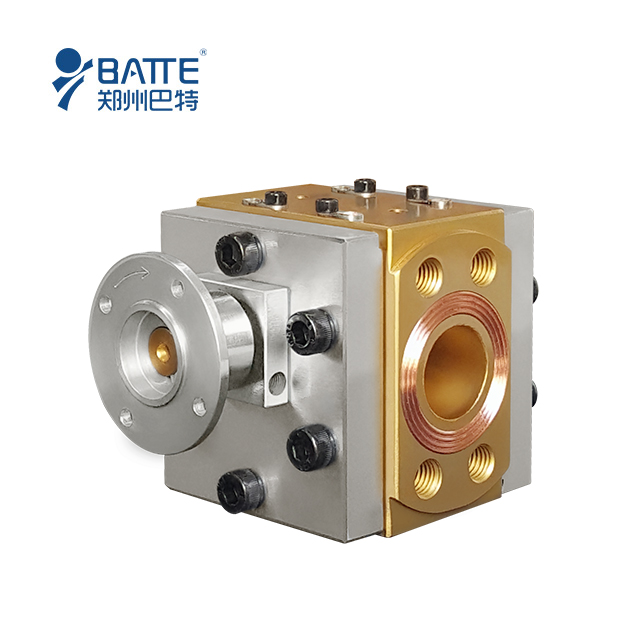
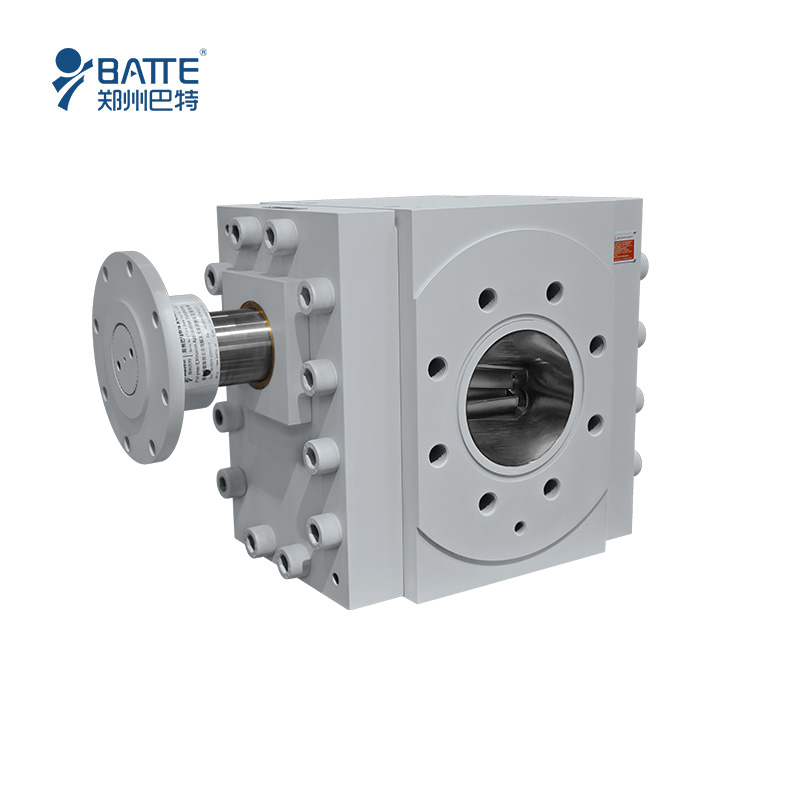

2026-09-23 The key to repairing the melt pump: not only replacing parts, but also restoring accuracy
Melt pumps are widely used in industries such as plastics, resins, rubber, and chemical fibers to transport, pressurize, and measure high-temperature and high viscosity melts. After long-term continuous operation, the equipment is prone to various faults such as gear wear, bearing clearance deviation, seal leakage, flow attenuation, and outlet pressure fluctuations. For precision volumetric equipment such as melt pumps, maintenance is not simply about replacing parts. It is necessary to conduct a systematic analysis and judgment based on the pump body structure, gear meshing status, overall fi
2026-09-20 Melt pump solves the pain points of extruder
Still tormented by pressure fluctuations, unstable discharge, and high scrap rates? The extruder is equipped with a melt pump, which directly solves most of the process pain points Melt pump receives high-temperature plastic melt from extruder Complete the boosting and stabilizing of pressure, and send the stable flow into the machine head Stable Pressure | Eliminate Pressure Fluctuations Precise flow control | Ensure consistency of extruded products Homogenized melt | more uniform material mixing Reduce pulsation | Stable product quality Reduce extruder load | alleviate temperature and pressu
2026-09-16 Melt Pump Applications in Sheet Extrusion Production Lines
A melt pump is a precision positive displacement gear pump that serves as a core auxiliary device in modern sheet extrusion production lines. Installed between the extruder and the T-die, it solves the common pain points of unstable melt pressure and fluctuating flow rates in traditional extrusion systems, becoming an essential component for high-precision, high-efficiency plastic sheet manufacturing. The core function of the melt pump in sheet extrusion is accurate metering and pressure stabilization. Ordinary extruders are prone to melt pressure pulsations caused by screw speed changes and m
2026-09-12 Why is an extruder equipped with a melt pump?
1、 The core pain point of traditional extruders: the contradiction between pressure fluctuations and energy consumption Traditional extruders need to simultaneously undertake the triple tasks of solid conveying, melt plasticization, and metering pressurization. Under high pressure conditions such as high viscosity materials or precision filters, the screw metering section needs to establish high pressure to achieve conveying, which can easily cause two core problems: firstly, high pressure leads to intensified reflux and leakage of the melt in the screw groove, resulting in a decrease in act
2026-09-09 Melt pump selection: why is there no universal model?
Many friends who choose melt pumps for extrusion, granulation, and spinning will ask: Is there a universal model that can handle all production lines with one pump? To be honest, there is no truly universal model for melt pumps, and the selection must be based on ones own on-site working conditions. The material, process, output, and pressure conditions of the pump are different, and the material, structure, sealing, and matching configuration of the pump need to be adjusted accordingly. Only by selecting the right working conditions can stable transportation and equipment durability be ensure
2026-09-04 Melt Pump for PC/PMMA Optical Lampshade Extrusion Production Line
PC and PMMA are dominant optical materials for lighting lampshades, valued for their high light transmittance, excellent weather resistance and uniform optical performance. The extrusion production of precision optical lampshades demands extremely stable melt delivery, as minor flow or pressure fluctuations will cause wall thickness deviation, surface ripples, shrinkage marks and uneven light transmission, severely compromising product quality. As a core positive displacement conveying device, the melt pump has become an essential component for high-precision PC/PMMA optical lampshade extrusio
2026-09-01 Core principle of melt pump maintenance: first investigate external working conditions before disasse
Melt pumps belong to high-temperature and high-pressure precision measuring equipment, and blind disassembly should be avoided during maintenance. Priority should be given to investigating external operating conditions (temperature, feed, back pressure), confirming the presence of internal mechanical faults, and then implementing standardized disassembly and maintenance procedures to avoid human expansion of equipment damage. 1、 Fault diagnosis sequence: check layer by layer from outside to inside The temperature system checks the temperature control accuracy of the pump body and supporting
2026-08-26 Melt Pump for Plastic Drawing Production Line
A melt pump is an indispensable core auxiliary device for modern plastic drawing production lines, widely applied in PP, PE, PET and PA filament extrusion processes. Installed between the extruder and the die head, this precision gear metering pump solves the common pain points of traditional plastic wire drawing production, effectively stabilizing the entire extrusion and stretching process and upgrading product quality and production efficiency. The core advantage of the melt pump lies in its accurate melt metering and constant pressure stabilization. Ordinary extruders inevitably generate f
2026-08-22 Three Core Functions of Melt Pumps in Polymer Extrusion
A melt pump, also known as a melt gear pump, is a precision positive-displacement device widely installed between extruders and dies in polymer extrusion lines. As a key core component of plastic and rubber processing equipment, it solves many inherent pain points of traditional extrusion systems. Its three core functions determine production stability, product accuracy and operational efficiency, making it an indispensable part of high-end extrusion production. First, pressure stabilization and pressure isolation is its most fundamental function. Traditional extruders inevitably generate peri
2026-08-19 Does Rising Melt Pump Current Always Mean Motor Failure?
A common misconception in polymer extrusion and melt pump operation is that climbing motor current directly indicates a faulty motor. For on-site technicians and equipment managers, this judgment often leads to unnecessary motor disassembly, wasted maintenance time, and unplanned production downtime. In fact, most melt pump current spikes stem from process and mechanical load issues rather than motor defects. First, abnormal process parameters are the top cause of rising current. Melt pump current is load-dependent, and higher material viscosity greatly increases operational resistance. Low ba


