
- Position:
- Batte Melt pump > NEWS >

Troubleshooting Pressure Fluctuations in Melt Pumps
Frequent fluctuations in melt pump pressure—with readings swinging wildly between high and low—directly cause streaking in film, uneven wall thickness in tubing, batches of defective products, and frequent machine shutdowns!
Many people blindly disassemble the machine to troubleshoot, which is both time-consuming and labor-intensive. We’ve compiled a standardized troubleshooting process that proceeds from the outside in and from simple to complex, allowing you to quickly pinpoint the root cause and efficiently resolve pressure instability issues
External Operating Conditions Inspection (Check this first! 80% of faults originate here)
1. Material and Temperature System Inspection
Temperature instability is the number one culprit behind pressure fluctuations! Excessive temperature control deviations across zones, localized overheating, or low temperatures can cause melt flow rates to fluctuate, leading to erratic delivery pressure from the pump. Additionally, moisture in the material, excessive impurities, inconsistent formulations, or mixing of new and old materials can also cause output pressure to fluctuate.
Solution: Calibrate the temperature control parameters of the extruder, melt pump, and die head to ensure constant-temperature extrusion; dry and filter the material in advance, and standardize the mixing ratios.
2. Screen Change and Pipeline Resistance Troubleshooting
Clogged screens, localized carbon buildup, and sudden pressure changes in the screen changer can cause unstable pipeline resistance, directly triggering fluctuations in the melt pump’s inlet and outlet pressures; material buildup or blockages in pipeline dead zones can also affect delivery stability.
Solution: Replace screens promptly, regularly clean carbon deposits from flow channels, and inspect the screen changer’s seals and pressure stability.
3. Troubleshooting Feed Stability of the Extruder
Screw slippage, uneven feeding, and fluctuations in feed rate can cause unstable material flow into the melt pump, resulting in pressure fluctuations in the pump—which are not caused by a pump malfunction.
Solution: Inspect the feeding system and screw wear; adjust the main unit’s rotational speed and feed ratio to ensure uniform material supply.
Troubleshooting Mid-Level Issues During Equipment Operation
1. Rotational Speed and Drive System Failures
VFD jitter, unstable motor speed, gearbox malfunctions, and excessive transmission clearance can cause the melt pump’s rotational speed to fluctuate erratically, resulting in irregular flow output and persistent pressure fluctuations.
Solution: Check the inverter parameters and motor operating status; calibrate the rotational speed; and inspect and repair the transmission and gearbox components.
2. Errors in the Pressure Detection System
Aged, offset, or clogged pressure sensors can cause false pressure fluctuations. While actual production remains stable, the data may fluctuate, misleading production and commissioning efforts.
Solution: Calibrate or replace the pressure sensor; clean material buildup from the probe.
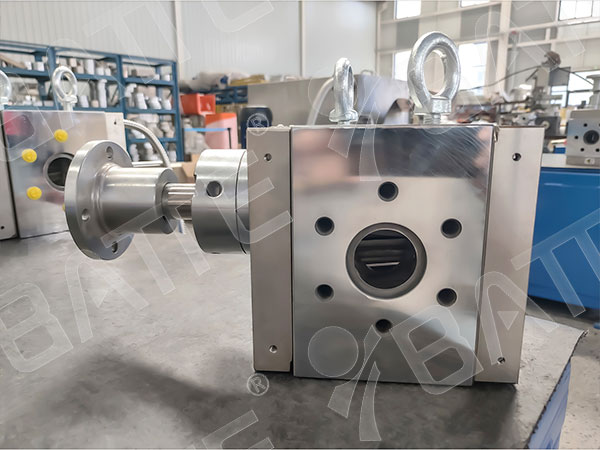
Troubleshooting Core Internal Faults of the Melt Pump (Disassemble the unit only after confirming no external issues)
1. Gear and Bearing Wear
Prolonged operation leads to gear wear, increased tooth-to-tooth clearance, and loose bearings, resulting in reduced sealing precision of the pump housing. This causes melt backflow and internal leakage, directly leading to unstable pressure and reduced pressure stabilization capability.
2. Abnormal Pump Housing Seals and Clearances
Aged seals, high-temperature deformation, and wear in the pump housing chamber disrupt melt circulation, preventing constant pressure and causing frequent switching between high and low pressure.
3. Carbon Deposits and Foreign Object Jam in the Pump Housing
Residual carbon deposits and hard impurities accumulated during long-term production enter the pump housing, causing gear meshing to jam and operation to become irregular, which triggers pressure fluctuations.
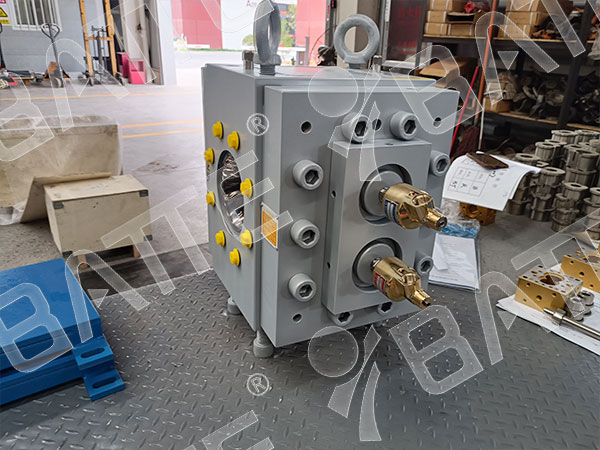
Quick Troubleshooting Mnemonic
First check the molten material, then inspect the screen; next, check the rotational speed and sensors; finally, disassemble the machine to inspect the pump body. Prioritize checking simple external conditions to avoid unnecessary disassembly, significantly saving repair time and reducing downtime losses!
Email: sale@meltpump.com
WhatsApp: +86 158 3833 1071

Any questions about our products, please feel free to contact us! We promise you high-end products and first-class service.Look forward to our cooperation!!!
- sales@battemachinery.com
- +0086-371-67991755


